
 Child Rights Club
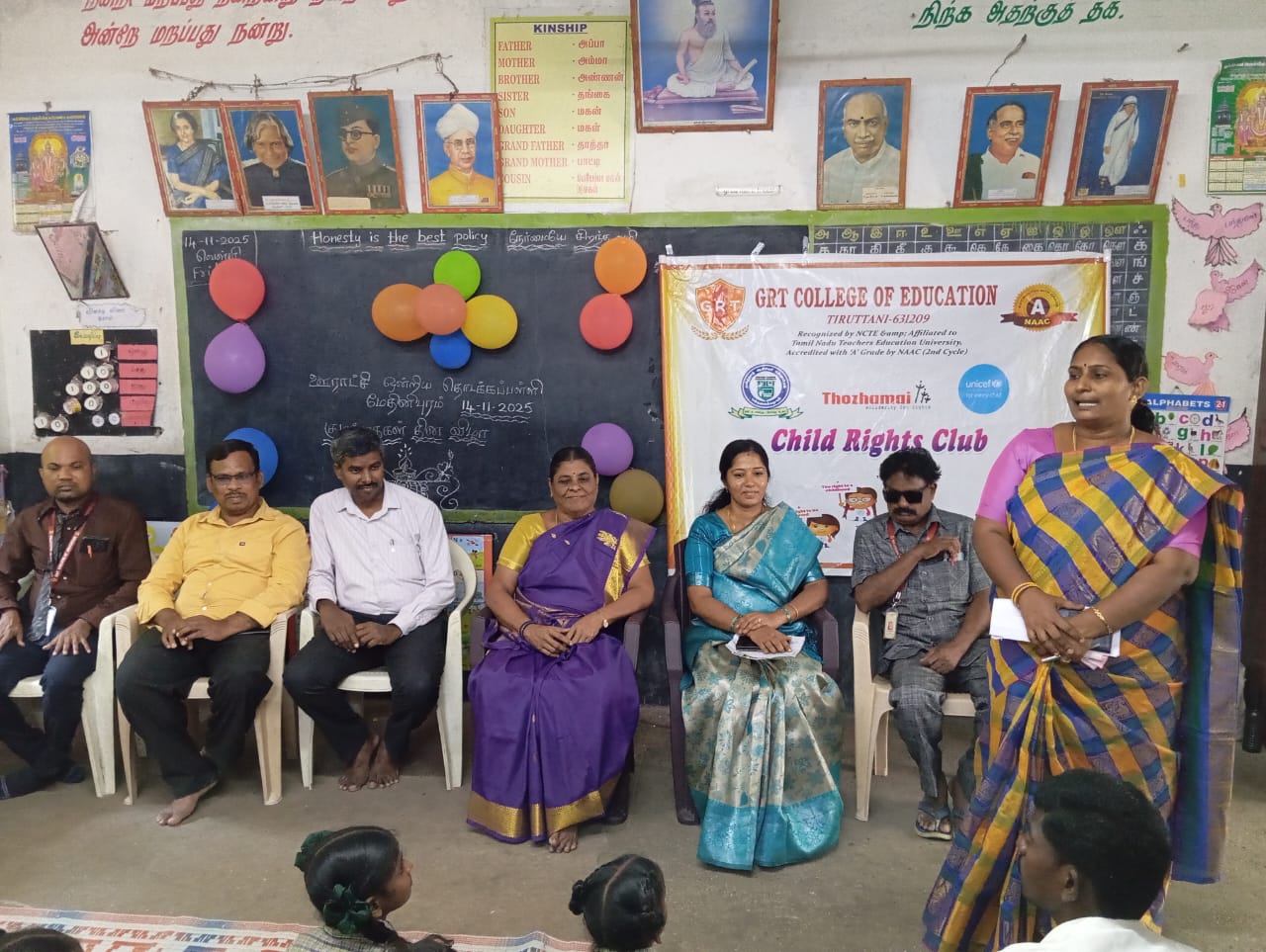
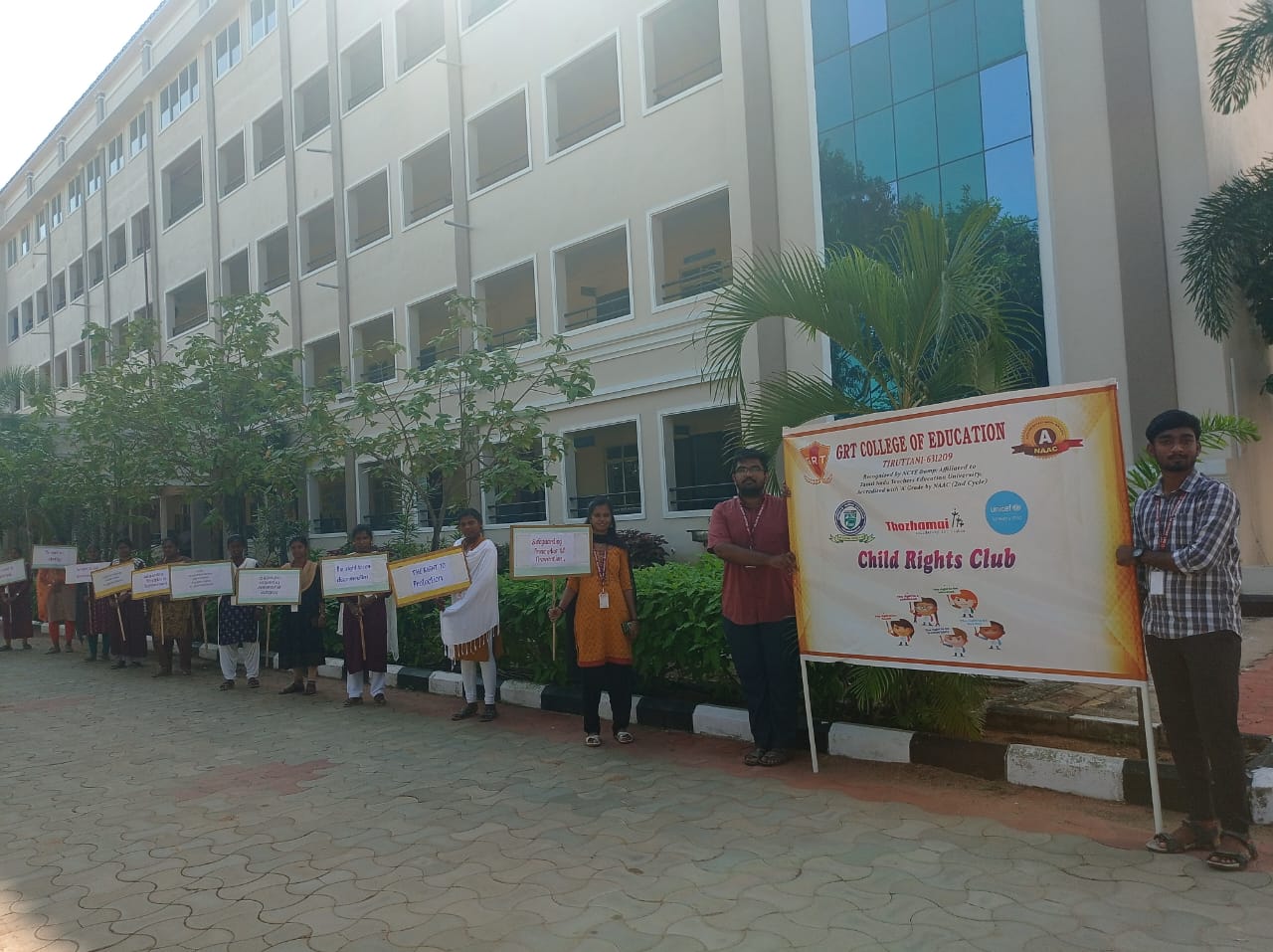
The Child Rights Club works to create awareness about child rights, child protection laws, and safeguarding practices. It organizes campaigns, rallies and workshops to promote children’s welfare and sensitizes student-teachers toward child-friendly education.
Objectives of the Child Rights Club
- To create awareness among student-teachers about child rights as enshrined in the Indian Constitution and international conventions.
- To educate student-teachers on child protection laws, policies and mechanisms for safeguarding children.
- To promote child-friendly, inclusive and safe educational practices in schools and communities.
- To sensitize future teachers to identify, prevent and respond to child abuse, neglect, exploitation, and discrimination.
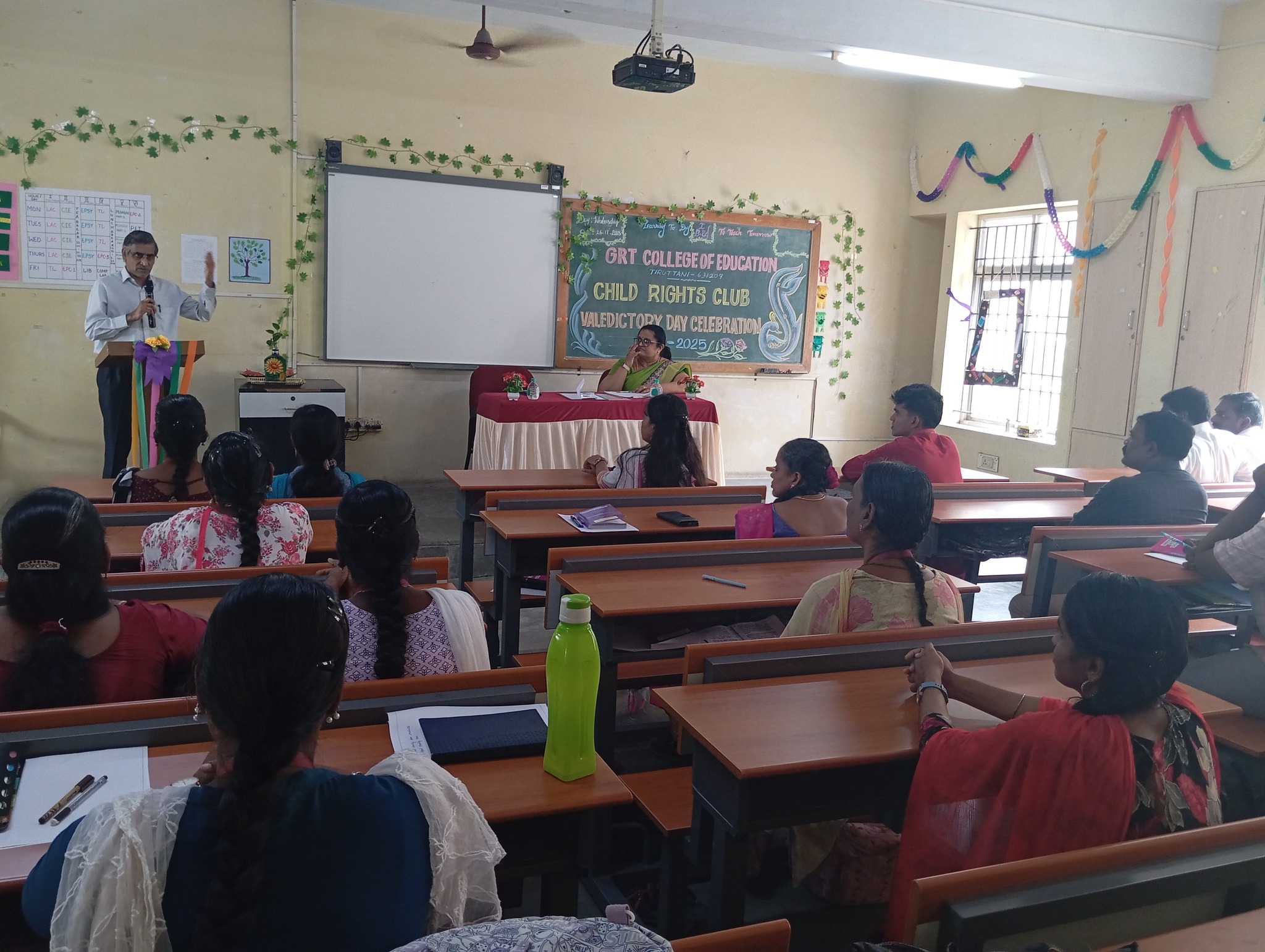
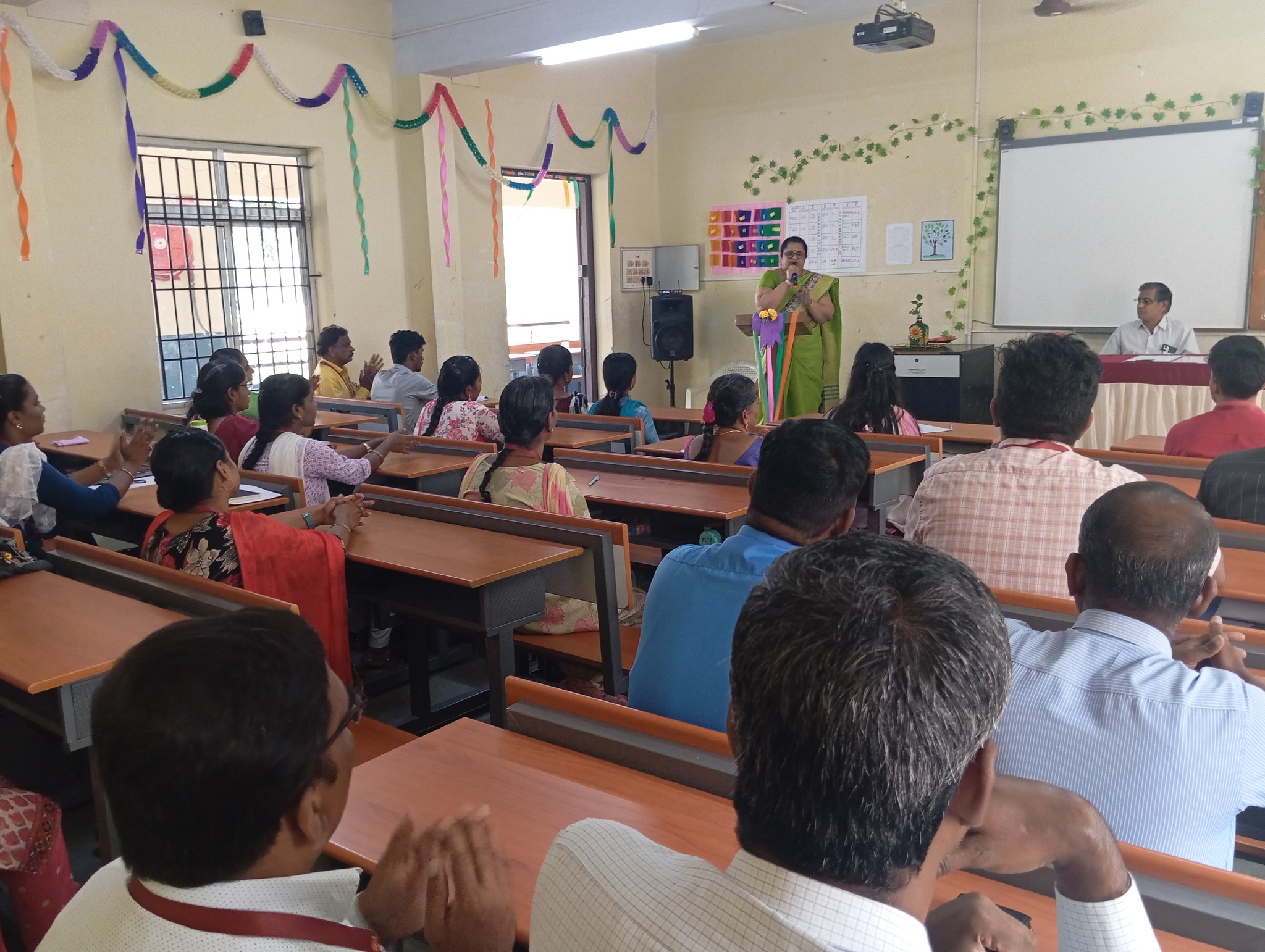
- To observe Child Rights Month (November) through daily activities, campaigns, rallies and awareness programmes.
- To encourage active participation of student-teachers in advocacy, outreach and community engagement for children’s welfare.
- To foster values of empathy, equity, dignity and respect for children among prospective teachers.
- To empower student-teachers to become responsible advocates and protectors of child rights in their professional roles.
Key Activities of the Child Rights Club
- Observation of Child Rights Month (November):
Daily awareness activities including theme-based programmes, discussions, creative expressions and reflections highlighting various child rights issues.
- Awareness Campaigns and Rallies:
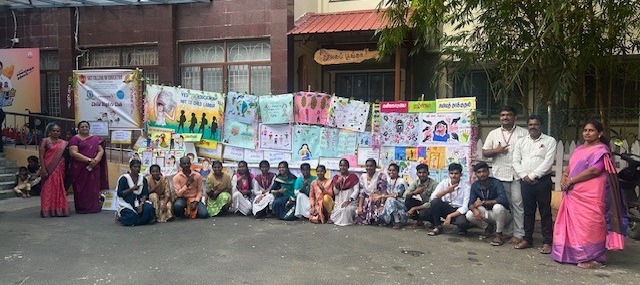
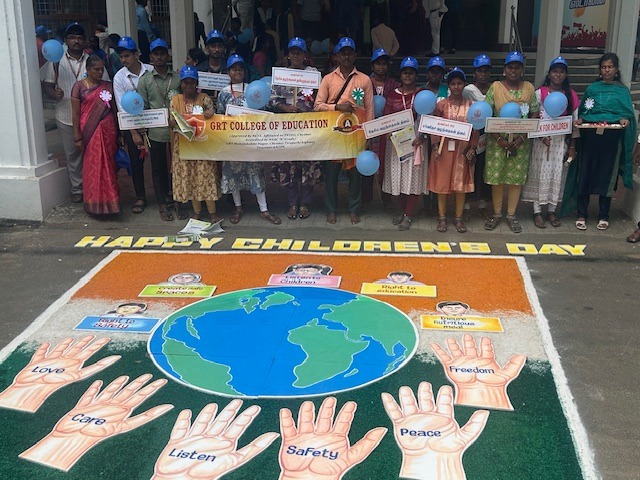
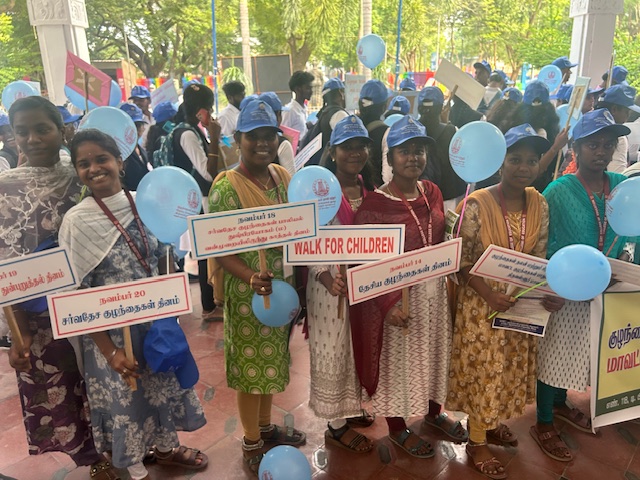
Organization of rallies, poster campaigns, slogan writing and street awareness activities to promote child rights and child protection in the community.
- Workshops and Expert Talks:
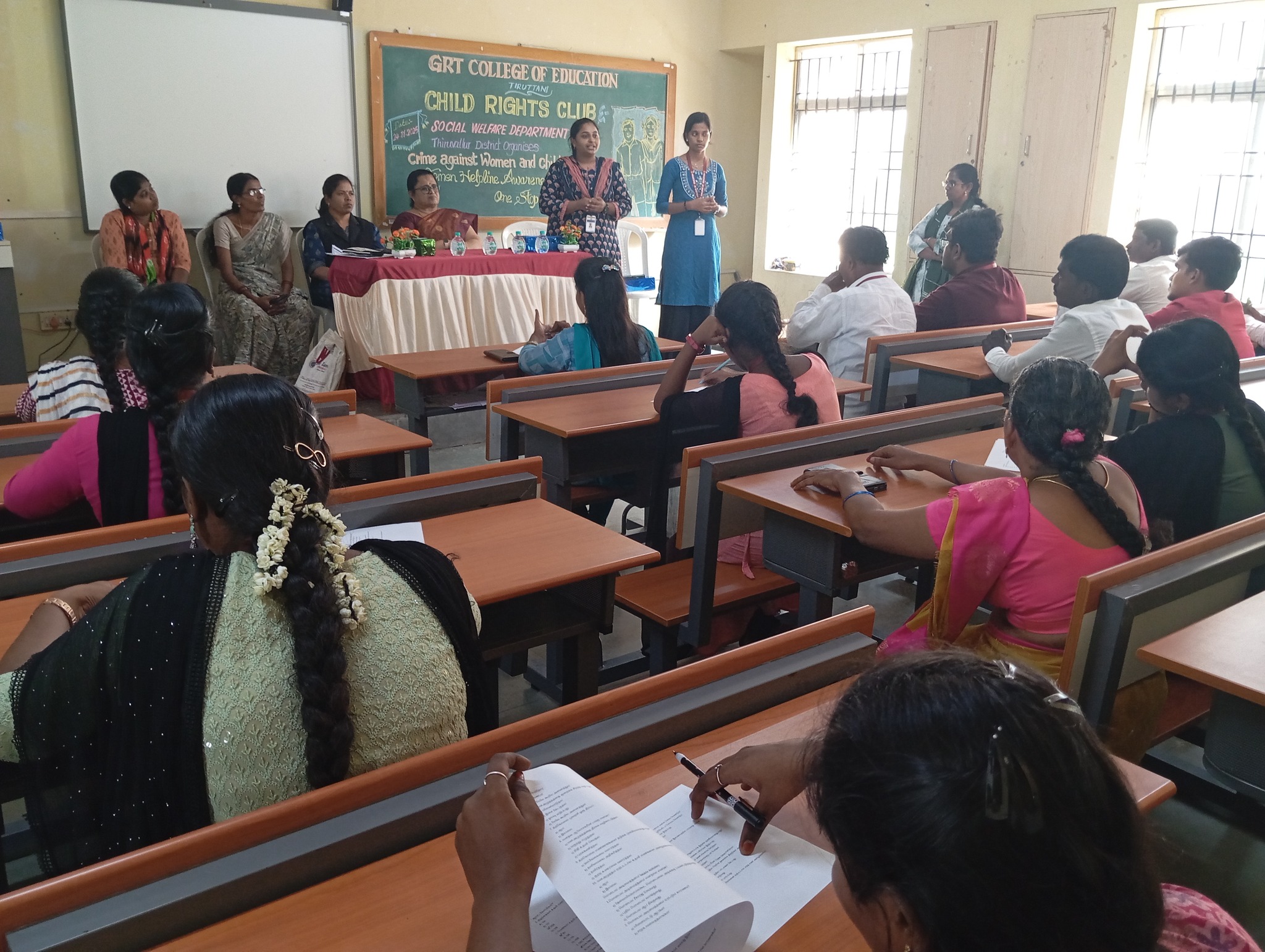
Conducting workshops, seminars and guest lectures by experts on child protection laws, POCSO Act, Juvenile Justice Act and safeguarding practices.
- Creative and Participatory Activities:
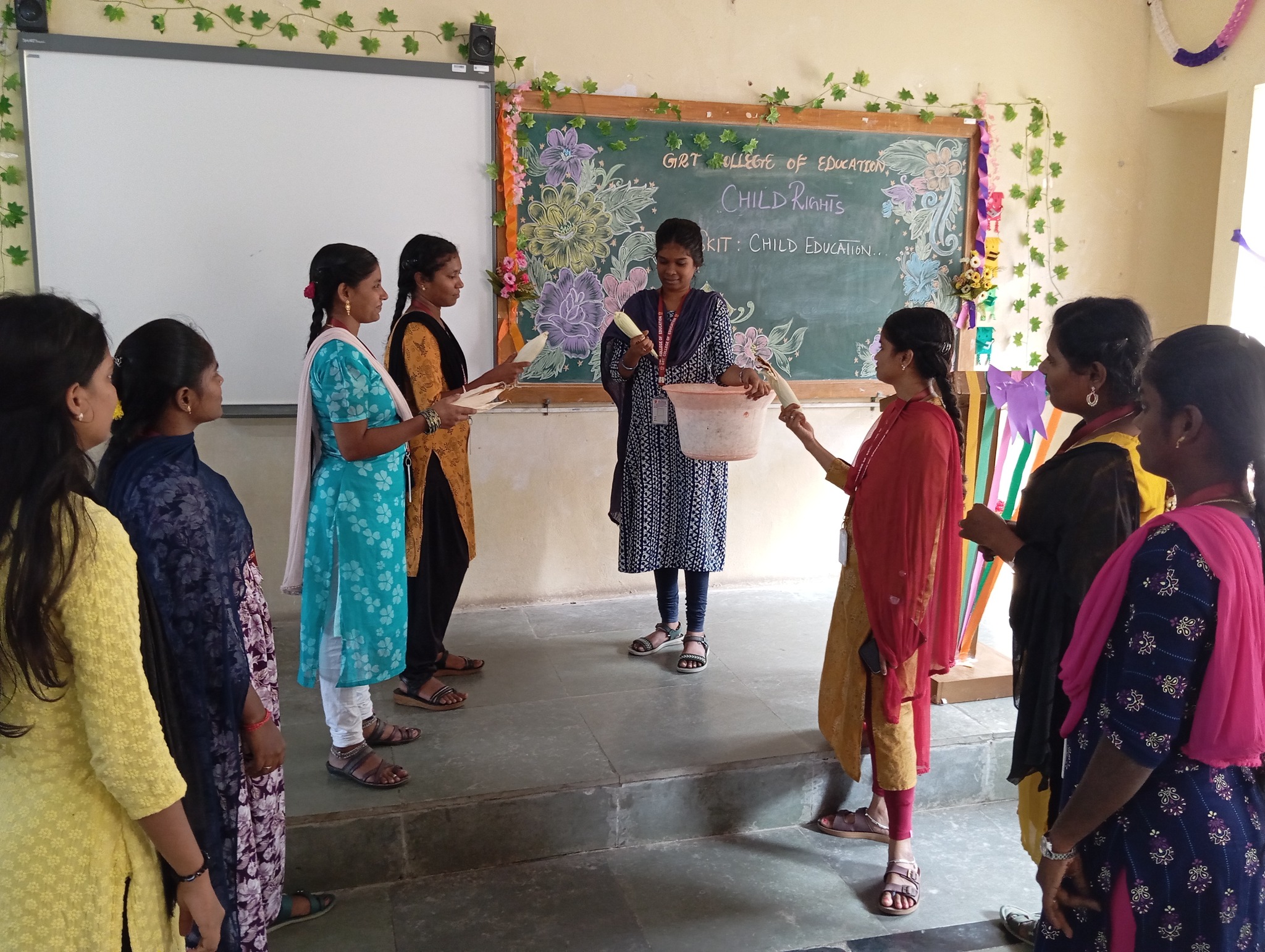
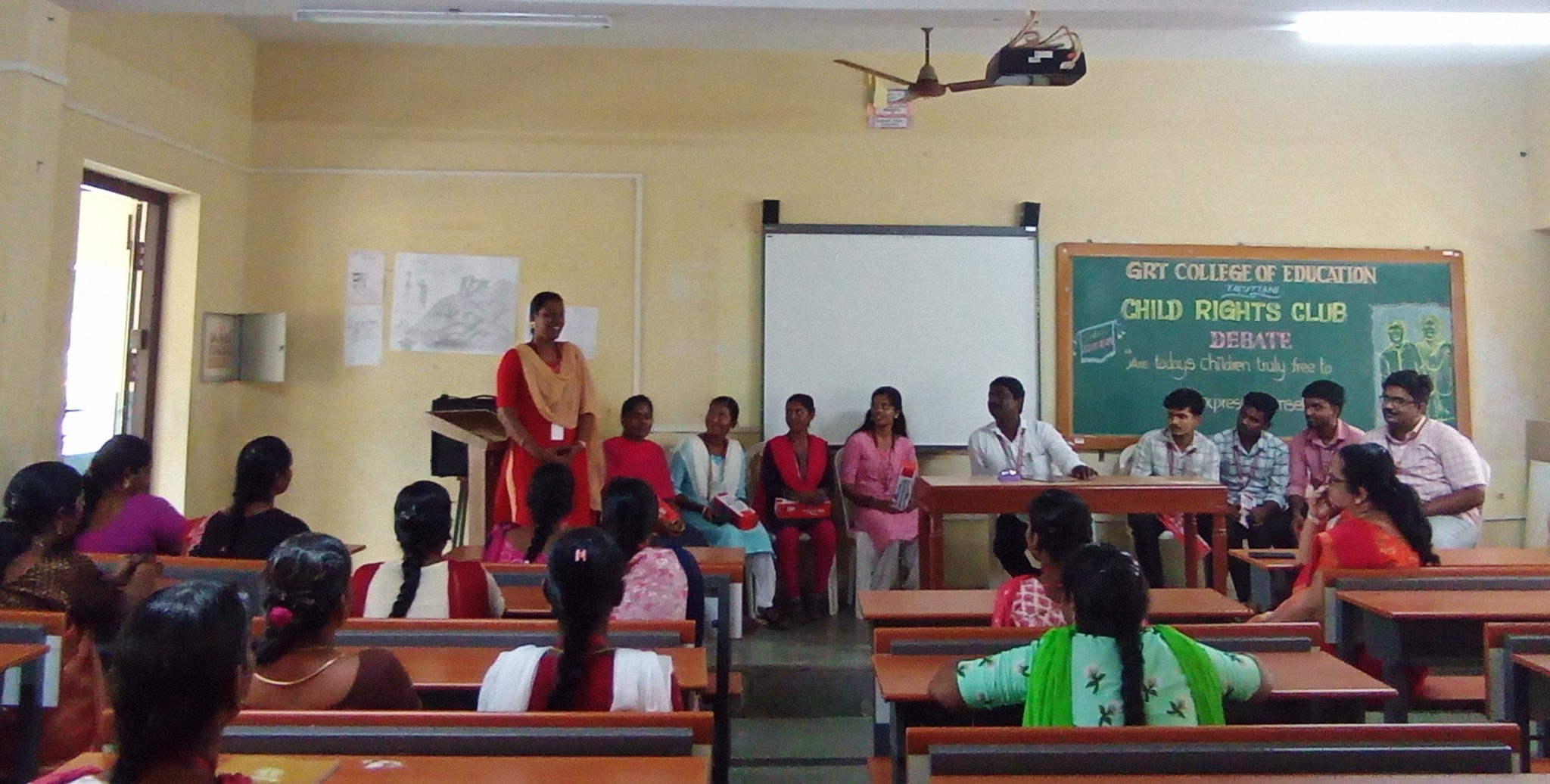
Essay writing, poster making, role plays, skits, storytelling and art-based activities to creatively engage student-teachers in child rights education.
- Community Outreach Programmes:
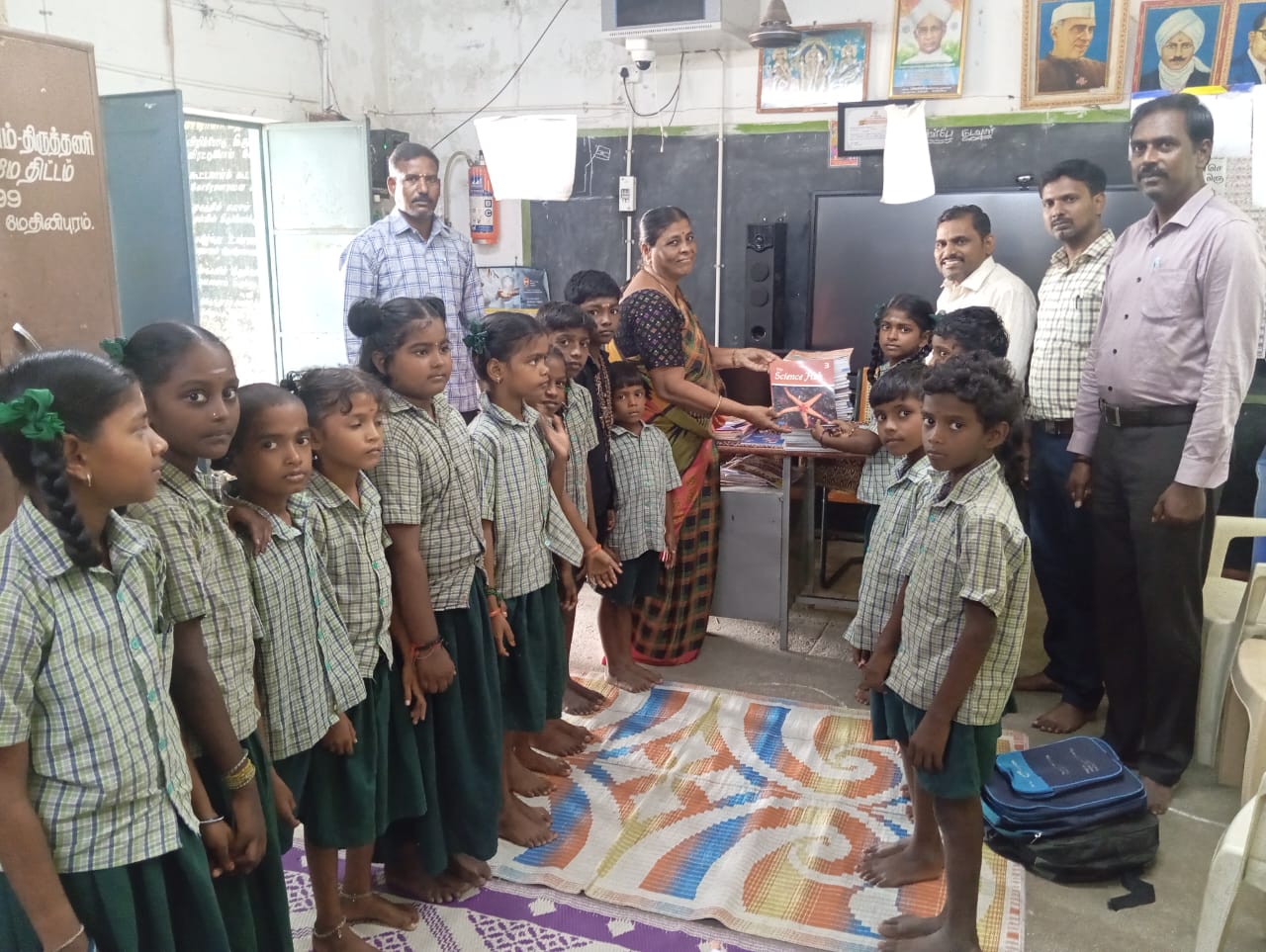
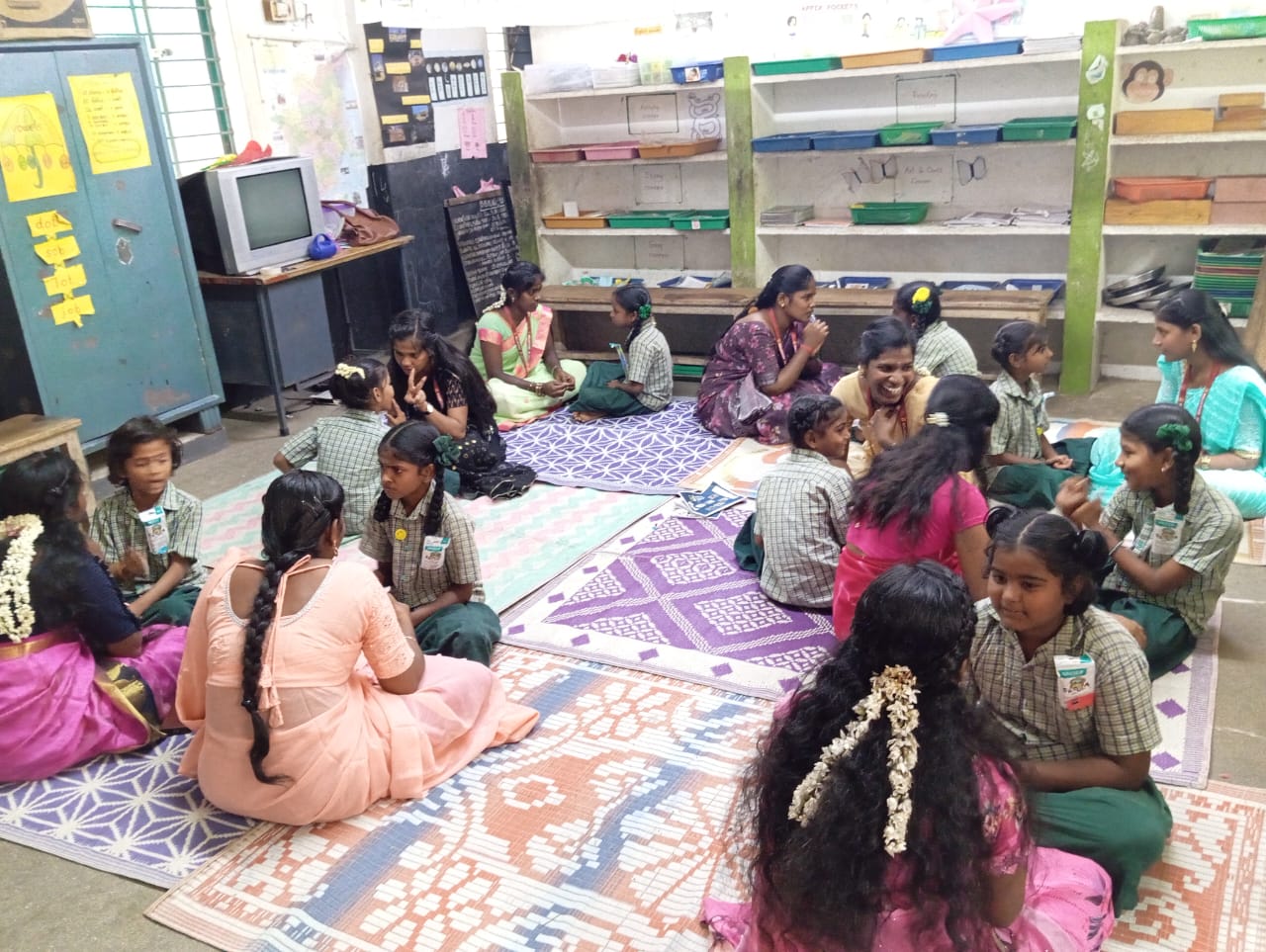
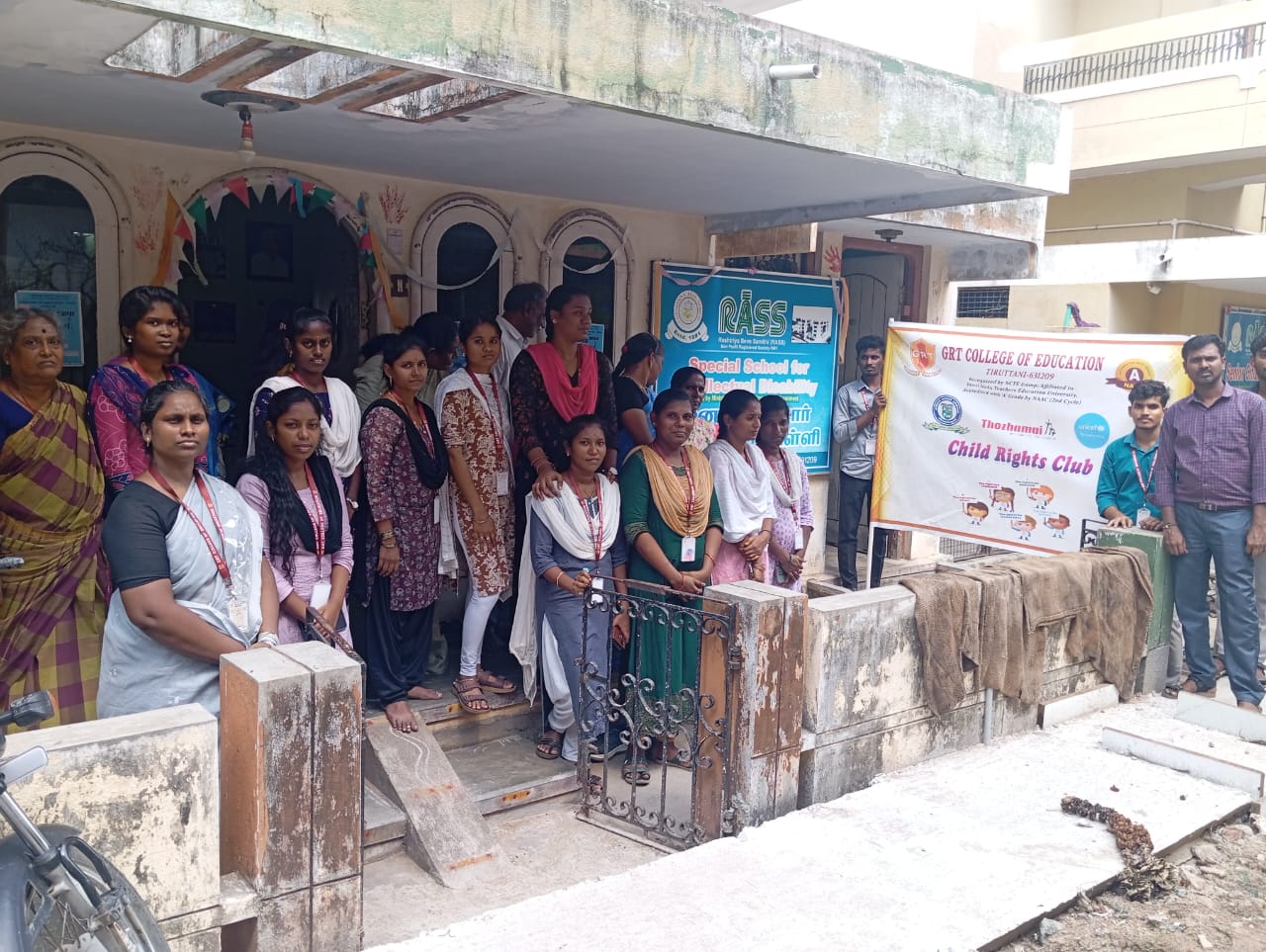
Awareness programmes in schools and local communities focusing on child welfare, child safety and child-friendly practices.
- Digital and Social Media Awareness:
Creation and sharing of posters, infographics, videos and messages on child rights through social media platforms to reach a wider audience.
- Observance of Important Days:
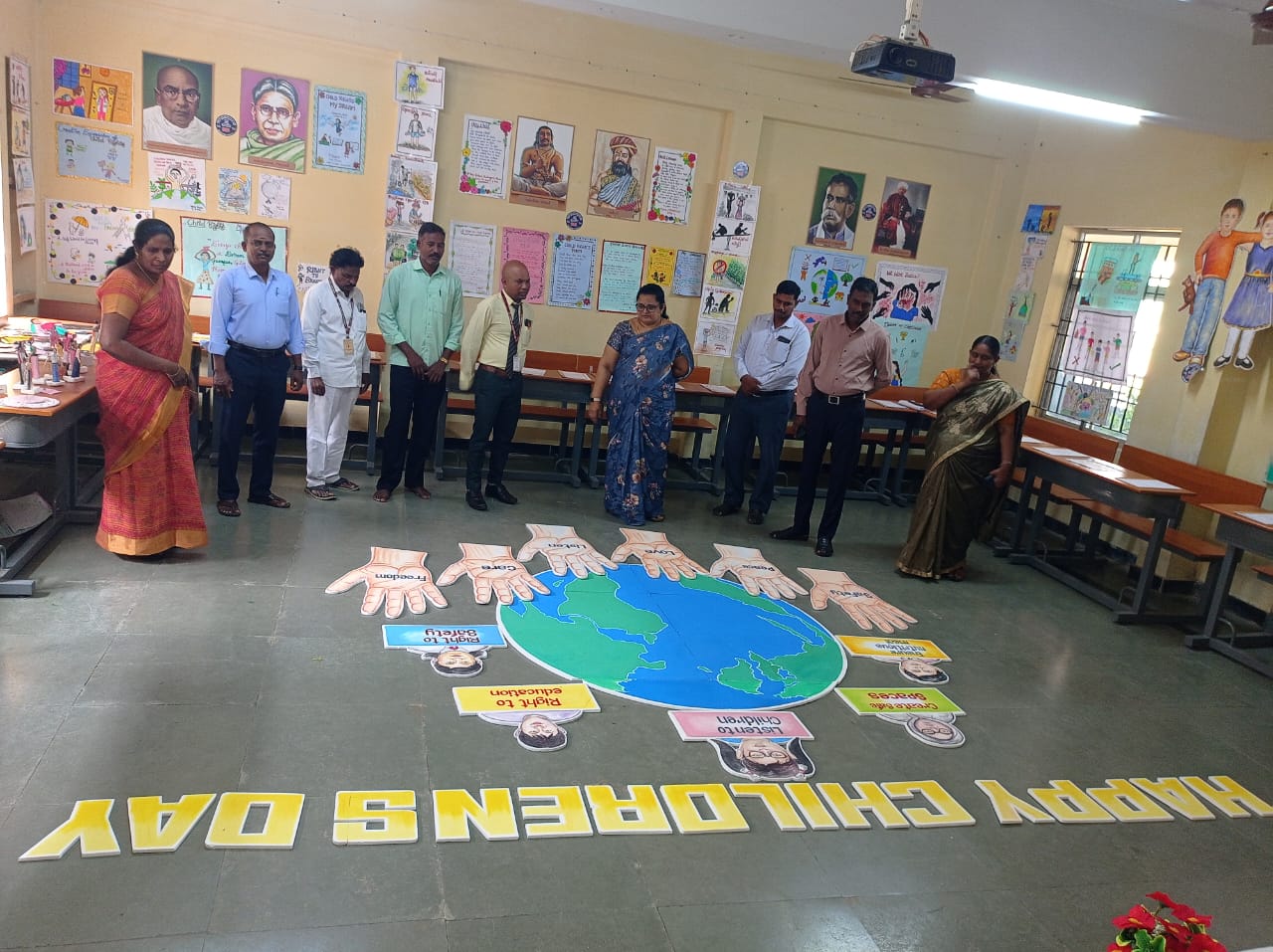
Celebration of Children’s Day, Universal Children’s Day and other relevant days to reinforce the importance of child rights.
- Reflection and Reporting Activities:
Preparation of activity reports, feedback collection, reflective writing and documentation to strengthen understanding and institutional learning.
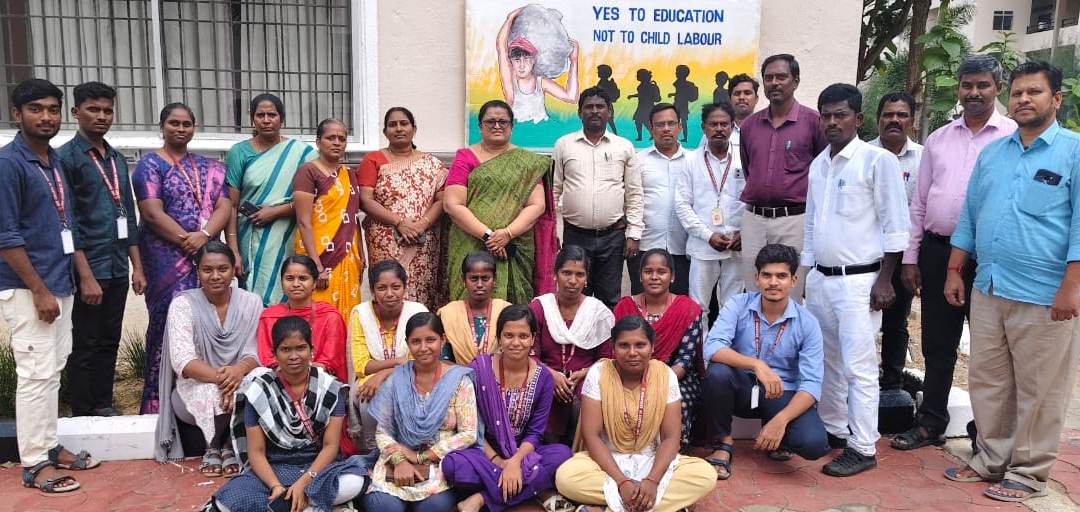
| Sl No | Name | Designation |
| 1 | Mrs.G.Sangeetha | Facilitator |